
From Yoga Instructor to Yoga Professional: How YCB Certification Supports Career Progression
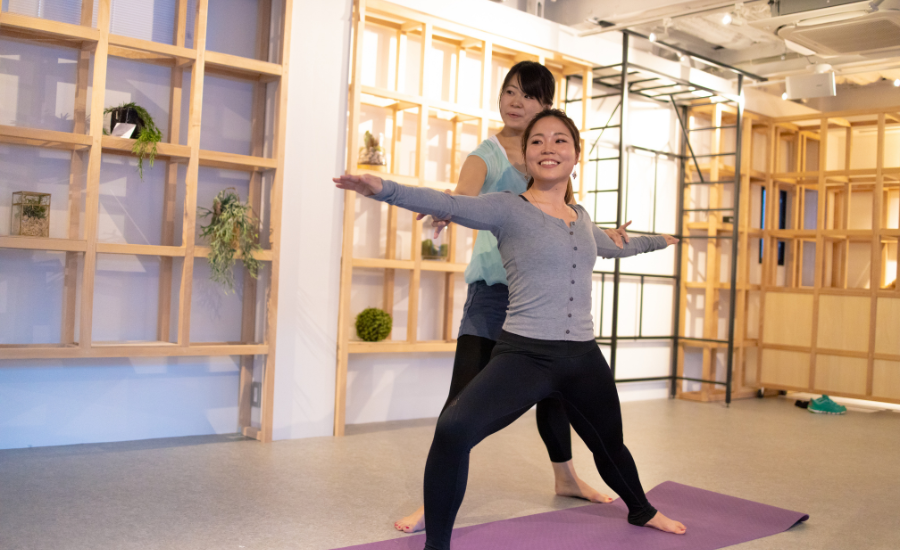
For many people, yoga begins as a personal practice. Over time, a deeper interest in the discipline can lead to teaching, professional training and eventually a full-time career. But becoming a successful yoga professional involves more than learning postures and conducting classes.
Structured education, practical teaching experience and professional development can all play an important role. This is where Yoga Certification Board (YCB) certification can provide a useful framework for practitioners looking to progress from instructor-level training towards a more established professional career.
What Does It Mean to Become a Yoga Professional?
A yoga instructor primarily focuses on conducting classes and guiding students through practices. A yoga professional may take on broader responsibilities, including developing structured programmes, working with different student groups, conducting workshops or exploring opportunities with wellness organisations.
This transition does not happen overnight. It develops through education, teaching experience, continuous practice and a better understanding of how to work responsibly with different learners.
YCB certification can support this journey by providing structured learning and assessment at different professional levels.
Building a Strong Foundation
The first step towards professional development is understanding the fundamentals.
Early-stage training introduces practitioners to yoga practices, basic teaching methodology and relevant theoretical concepts. It can help students move from simply practising yoga themselves to understanding how to communicate and teach those practices to others.
This distinction is important. Being able to perform a posture does not automatically mean that someone is prepared to teach it effectively.
Structured training can help aspiring instructors develop demonstration, communication and class-management skills.
Progressing Through Professional Levels
One of the advantages of a structured certification pathway is that practitioners can approach professional development progressively.
As their knowledge and experience increase, they can explore higher levels of certification and more advanced areas of study.
Progression should not be treated as a race to obtain the highest qualification. Instead, each stage should ideally be accompanied by practical teaching experience and continued personal practice.
This combination allows practitioners to understand how theoretical knowledge translates into real classroom situations.
Why Practical Experience Matters
Certification can demonstrate that a practitioner has completed a particular assessment or qualification, but teaching experience remains an important part of professional growth.
Working with beginners, experienced practitioners, older students or different groups can expose instructors to a variety of teaching situations.
Over time, instructors learn how to:
- Plan structured yoga sessions
- Explain practices clearly
- Observe students during sessions
- Modify activities when appropriate
- Communicate with different types of learners
- Manage group classes confidently
- Develop a consistent teaching approach
These skills are developed through practice as much as through formal study.
Developing a Professional Specialisation
As instructors gain experience, they may discover particular areas of interest. Some may prefer traditional yoga teaching, while others may explore meditation, pranayama, wellness programmes, retreats or specialised instruction.
YCB certification can form part of a broader professional development plan, while additional workshops and specialised education can help practitioners develop expertise in areas relevant to their career goals.
The important point is to build specialisation on a solid foundation rather than treating every new course as a separate qualification to collect.
Supporting Career Opportunities
A professionally trained yoga instructor may find opportunities in studios, wellness centres, retreats, fitness facilities, schools, corporate wellness programmes and online teaching.
However, employment and client opportunities depend on multiple factors. Employers may consider qualifications, teaching experience, communication skills and practical competence alongside other requirements.
For those interested in working internationally, it is particularly important to check the regulations and professional expectations of the destination country. YCB certification can be part of a professional portfolio, but it should not be assumed to replace local requirements.
Choosing the Right Training Institute
The institute you choose can influence the quality of your learning experience. Before enrolling in a programme, consider the curriculum, faculty experience, practical teaching exposure, assessment preparation and certification pathway.
If you are looking for yoga institutes in Mumbai, look beyond the course duration and promotional claims. A programme that provides opportunities for practical learning and meaningful interaction with experienced teachers can be more useful for long-term professional development.
Building a Career Beyond Certification
YCB certification can provide structure to a yoga professional’s educational journey, but the certificate itself is not the destination.
A sustainable career develops through a combination of formal education, practical teaching, personal practice, communication, professional conduct and continuous learning.
Moving from yoga instructor to yoga professional is ultimately a gradual process. Each class taught, student interaction, workshop and additional learning opportunity can contribute to professional maturity.
For aspiring practitioners, YCB certification can be one component of that journey—providing a structured pathway while allowing them to build the experience and expertise needed for a long-term career in yoga.